
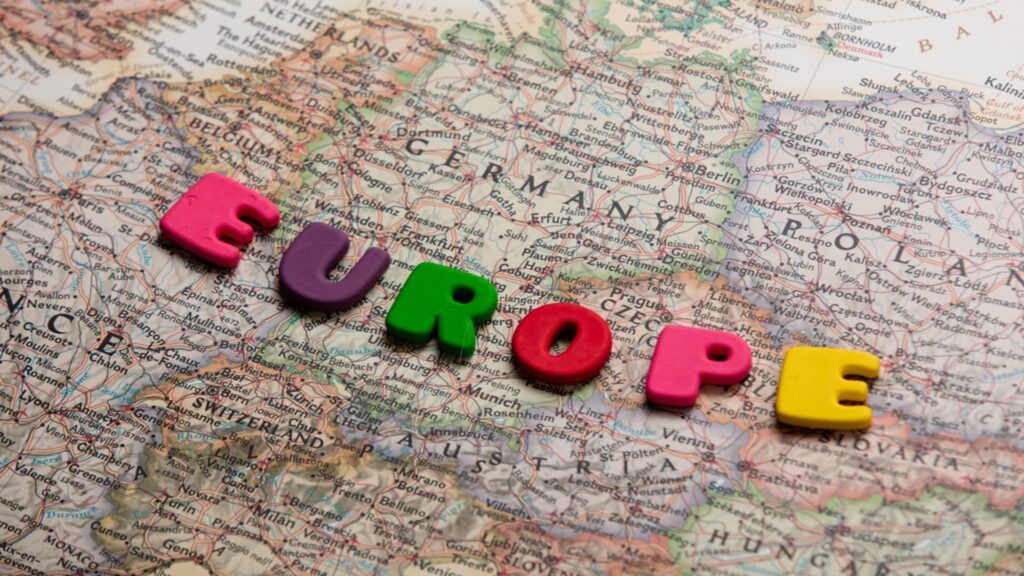
Planning a Europe travel itinerary sounds romantic at first.
Until you actually sit down to do it.
Suddenly, you’re looking at 40+ countries, dozens of iconic cities, and about 10–14 days of vacation time. That was me the first time I planned Europe. I wanted Paris, Rome, the Alps, Barcelona… all of it.
I came back tired.
Here’s what I learned: Europe isn’t about how much you see. It’s about how well you move.
In this guide, I’ll walk you through realistic routes for a 10-day Europe itinerary, a smoother 2 weeks in Europe itinerary, and a more relaxed 3 weeks in Europe itinerary — plus a clear breakdown of how much a Europe trip actually costs.
No hype. Just planning that works.
How to Plan a Europe Travel Itinerary (Without Burning Out)
Before picking cities, pause for a second.
Ask yourself three things:
- How fast do I want to travel?
- What’s my realistic daily budget?
- Am I okay with frequent travel days?
Europe looks compact on a map. It isn’t.
A train that seems “close” can still take four hours. Airports are efficient, but transfers eat time. And changing hotels every two nights? It gets exhausting faster than most people expect.
One simple rule I follow now: every long travel day deserves a slower day after it.
It keeps the trip enjoyable instead of overwhelming.
How to Build a Logical Europe Route
One of the biggest planning mistakes is building a route based on dream cities instead of geography.
Look at a map. Draw a clean line through neighboring countries.
Paris → Switzerland → Italy makes sense.
Paris → Spain → Germany → Italy in 7 days does not.
North-to-south jumps add unnecessary flights or long train days. Clustering countries by region saves time and energy.
Also consider open-jaw flights. Arriving in Paris and flying home from Rome can eliminate an entire backtracking day.
Flying from India to Spain took nearly 14 hours door to door, and I underestimated how hard jet lag would hit on day one. If you’re coming from Asia, plan a light first day.
Smart routing doesn’t reduce adventure. It protects it.
Choose Regions, Not Random Cities
One mistake I made early on was mixing regions too aggressively. Spain and Switzerland in the same 4-day stretch? That’s not adventurous. That’s chaos.
Instead, group countries logically:
Western Europe: France, Belgium, Netherlands
Central Europe: Switzerland, Germany
Southern Europe: Italy, Spain
When you move with geography instead of against it, the entire Europe travel itinerary flows better.
Understand the Schengen Zone
Most of continental Europe falls under Schengen rules. Many travelers can stay 90 days within 180 days.
But always confirm visa requirements for your passport before booking.
Also, remember: the UK is not part of Schengen. If London is in your plan, account for separate entry rules.
It may feel boring now. It saves stress later.
Decide Your Travel Style Early
Europe works for:
- Budget backpackers
- Mid-range comfort travelers
- Slower, experience-focused trips
But Switzerland on a tight budget feels very different from Spain on a tight budget.
Accommodation, food, and transport prices vary significantly across Europe. Be realistic early — it prevents disappointment later.
Europe Itinerary: 10 Days, 2 Weeks & 3 Weeks (Complete 2026 Guide)
Ten days in Europe is a highlight reel.
That’s okay — as long as you accept it.
Europe isn’t about how much you see.
It’s about how well you move.
Here’s a route that balances movement and experience.
This 10-day Europe travel itinerary focuses on enjoying every moment calmly and relax way.
Days 1–3: Paris, France

Paris is an ideal starting point. International flights land here easily, and transport connections are excellent.
Paris isn’t rushed.
Don’t treat it like it is.
See the Eiffel Tower. Walk along the Seine. Explore Montmartre.
But also slow down.
Sit at a café. Let the city move around you.
Tip: Pre-book major attractions to avoid long summer lines.
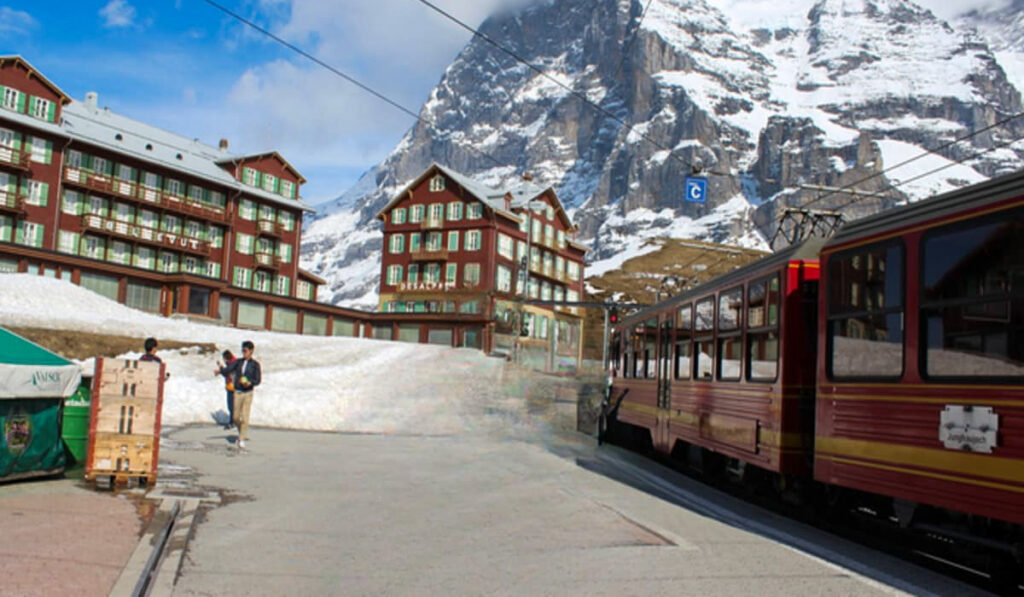
Days 4–5: Switzerland (Lucerne or Interlaken)
Take a high-speed train into Switzerland.
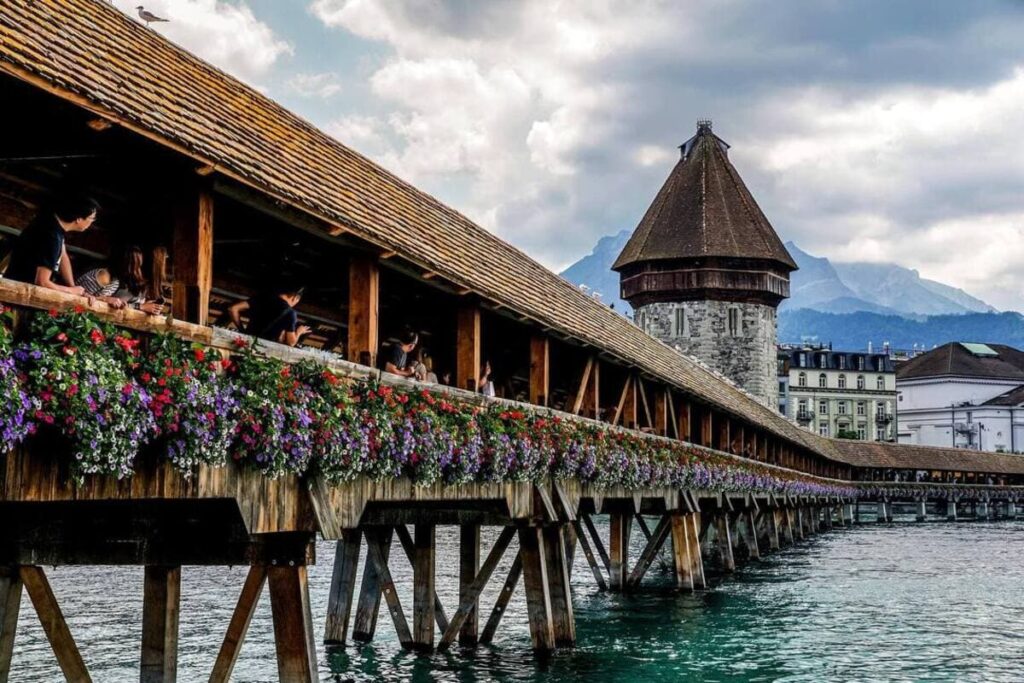
The scenery alone feels like part of the itinerary. Lakes. Snow-dusted peaks. Wooden bridges.
Switzerland is expensive — but even two days here changes the rhythm of your trip.
Choose one base. Don’t city-hop.
Switzerland deserves its own detailed guide — especially around Interlaken and Lucerne.
Days 6–7: Italy (Milan or Venice)
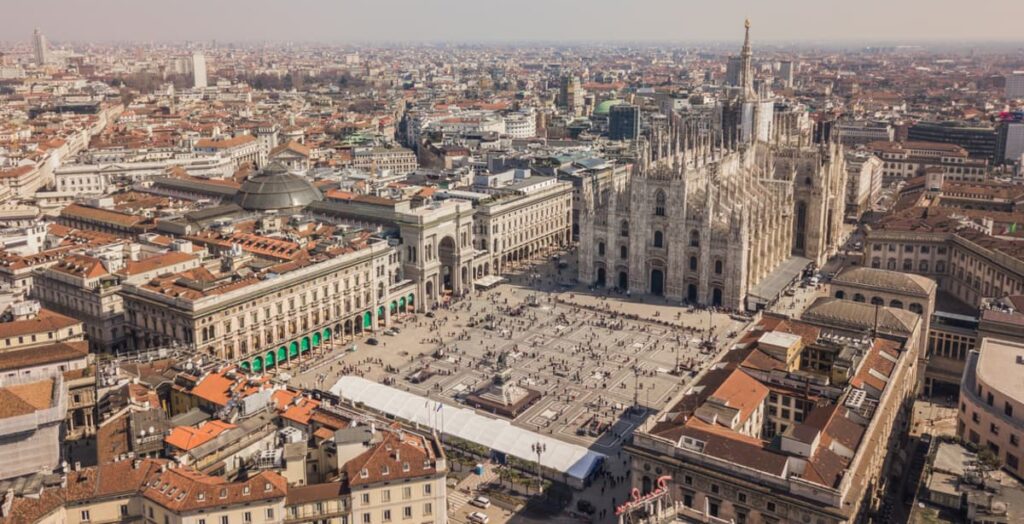
Cross into Italy by train.
The mood shifts instantly.
The conversations are louder. The food feels richer. The streets are alive.
Stay in one city. Wander deeply. Even two days gives you a taste — but don’t rush.
Days 8–10: Germany or Spain
Option A: Munich, Germany
Option B: Barcelona, Spain
Munich offers history, beer gardens, and structure.
Barcelona offers beaches, art, Chapel Bridge, and rhythm.
Pick based on season and budget.
Is 10 days enough? Yes — if you treat it as an introduction.
2 Weeks in Europe Itinerary (Where It Starts to Feel Good)
Two weeks is where a Europe travel itinerary becomes comfortable.
You’re not racing.A realistic Europe travel itinerary should be simple.
A strong 2-week itinerary in Europe could be:
Week 1: France → Switzerland → Italy
Week 2: Netherlands → Belgium → Germany
Now you can:
- Spend 4–5 days in Italy
- Add a Bruges day trip
- Explore Amsterdam properly
- Slow down in Munich
The difference between 10 days and 14 days isn’t just time. It’s breathing room.
Europe Itinerary 3 Weeks (The Sweet Spot)
Three weeks feels immersive.
France (4 days)
Switzerland (3 days)
Italy (5 days)
Germany (3 days)
Spain (4 days)
Netherlands or Belgium (2–3 days)
Now you’re not chasing landmarks. You’re building rhythm.
This Europe travel itinerary works best if you stay focused
You can add scenic trains. You can stay longer somewhere unexpected.
Three weeks gives you margin — and margin changes everything.
How Much Does a Europe Trip Cost?
How much does a trip to Europe cost?
It depends on the country, season, and travel style.
Switzerland costs more than Spain. Paris costs more than Berlin.
Here’s a realistic breakdown.
Average Daily Europe Travel Cost
| Category | Budget (€) | Mid-Range (€) |
|---|---|---|
| Accommodation | 30–70 | 100–180 |
| Food | 15–25 | 30–50 |
| Transport | 10–25 | 25–50 |
| Attractions | 10–20 | 20–40 |
| Total / Day | 70–140 | 180–300 |
Estimated Total Trip Cost
10 Days:
€700–1,400 (budget)
€1,800–3,000 (mid-range)
2 Weeks:
€1,000–2,000 (budget)
€2,500–4,200 (mid-range)
3 Weeks:
€1,500–3,000 (budget)
€3,800–6,000+ (mid-range)
Flights are separate.
Peak summer? Add 15–25%.
Realistic Budget Example (Budget Traveler – 14 Days)
Accommodation: €45 × 14 = €630
Food: €20 × 14 = €280
Transport: €300
Attractions: €200
Total: €1,400–1,600
Realistic Budget Example (Mid-Range – 14 Days)
Hotel: €140 × 14 = €1,960
Food: €40 × 14 = €560
Transport: €400
Attractions: €300
Total: €3,200–3,500
Accommodation surprises most travelers. Book early in peak months.
How to Save Money on a Europe Trip
Travel in shoulder season (April–May, September–October).
Book trains 2–3 months ahead.
Stay near metro lines, not central squares.
Choose one major attraction per day.
Use city passes when appropriate.
Small savings compound quickly.
Europe Train Travel Guide (What Actually Works)
Trains are one of Europe’s greatest strengths.
High-speed rail connects major cities efficiently:
TGV (France)
ICE (Germany)
Frecciarossa (Italy)
For routes under 6 hours, trains usually beat flights.
When to Fly Instead of Taking the Train
For longer routes:
Barcelona → Amsterdam
Rome → Berlin
Flying may save time.
Always calculate total door-to-door time — including airport transfers.
Sometimes trains win. Sometimes planes do.
Compare both.
Best Time to Travel Europe
Summer (June–August):
Warm, long days, heavy crowds, highest prices.
Spring & Autumn:
Best balance of weather and cost.
Winter:
Lower prices, shorter daylight, and festive markets in some cities.
Season affects your Europe travel itinerary more than you expect.
Europe Travel for First Timers
Pack lighter than you think.
Wear proper walking shoes.
Download offline maps.
Don’t overschedule every hour.
Europe rewards curiosity.
Best Countries to Visit in Europe
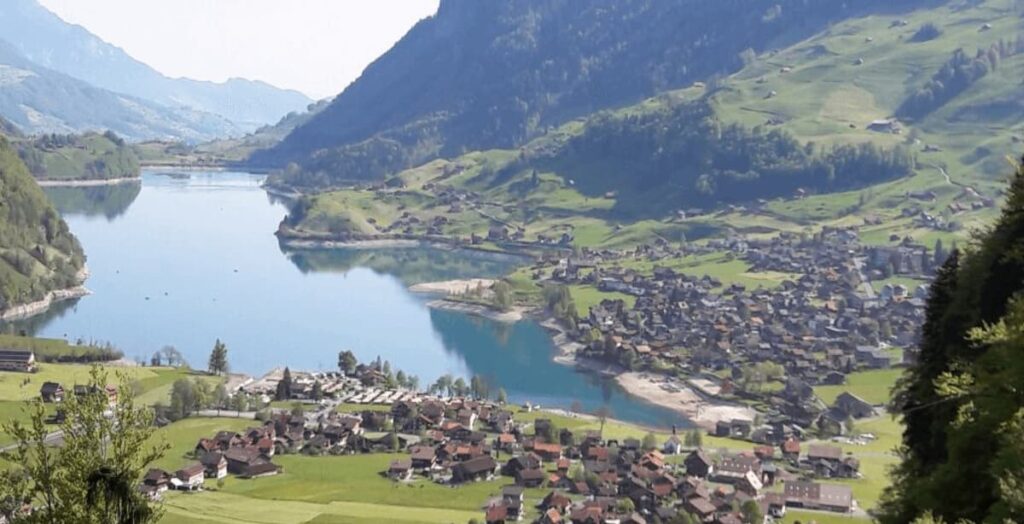
Switzerland – dramatic landscapes
France – culture and cuisine
Italy – history and emotion
Germany – efficient and diverse
Spain – affordable and vibrant
Netherlands – compact and easy
Belgium – charming and relaxed
Each country deserves its own guide.
Europe Backpacking Itinerary
Budget route example:
Paris → Amsterdam → Berlin → Venice → Barcelona
Stay in hostels.
Use FlixBus when needed.
Cook occasionally.
Take free walking tours.
It’s faster paced — but doable.
Common Mistakes When Planning a Europe Travel Itinerary
Trying to See Too Many Countries
More countries often mean less experience.
Underestimating Travel Days
A “2-hour train” can consume half a day.
Ignoring Seasonality
Southern Europe in August can be brutally hot.
Booking Late
High-speed trains sell out in peak months.
Overpacking
Dragging luggage across cobblestones isn’t romantic.
Europe isn’t complicated. Poor pacing makes it feel that way.
FAQs
Is 10 days enough for a Europe travel itinerary?
Yes, for 2–3 countries.
How much does a Europe trip cost per day?
€70–300 depending on style.
Is Europe expensive?
Varies by country.
What’s the cheapest way to travel Europe?
Budget buses, early train bookings, hostels.
Do I need a visa for Europe?
Depends on passport and Schengen rules.
Final Thoughts
A good Europe travel itinerary isn’t about maximizing countries.
It’s about minimizing regret.
Choose fewer destinations. Move logically. Build breathing space.
Europe will still be there next year.
And when you plan well, the trip feels less like a checklist — and more like a story you actually get to live.